Hamnet, and Why Difference Need Not Be a Deficiency
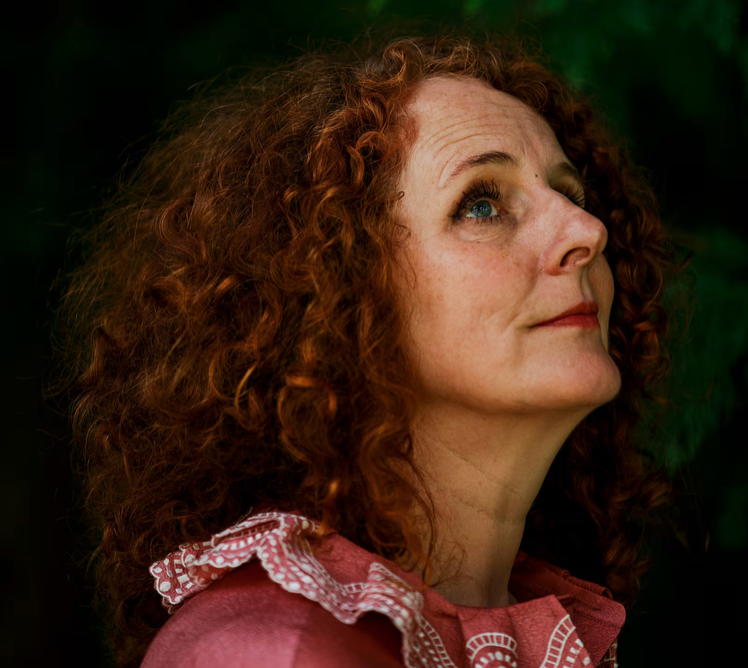
Maggie O’Farrell photographed by Robert Ormerod for The New York Times
Hamnet, based on the book of the same name by Maggie O’Farrell, has just won best picture at The Golden Globes. What many people don't know is that when Maggie was 8 years old she nearly died of Japanese encephalitis. And during her recovery she developed a stammer. It would become, in her words, ‘the most defining feature of my life’.
Crippling though it was, Maggie’s stammer gave her a linguistic dexterity she wouldn’t otherwise have had - ‘You become your own editor. You’re doing it all the time in the back of your mind. You think: I can’t say that, so I’m going to have to flip that clause or find a synonym.’
And the stammer pushed her towards the written word - ‘If you can’t express yourself verbally, or you can’t rely on your spoken voice, having a written voice is like a gift. Just watching your pen move and the words come out, it’s like magic.’
Looking back now, Maggie says ‘There are things I’ve learned from it that made me into the person I am today. Certainly I don’t know if I’d be a writer, if I hadn’t also been a stammerer.’
Our brains are all wired differently. Living in a neurotypical world can make that difference seem like a deficiency. And yet so often, especially in the field of creativity, it’s the difference that makes you exceptional.